Cool-season grass
Tall Fescue
If you live around Raleigh, Durham, or Cary and your yard stays green through most of the year, odds are you have tall fescue. It is the most planted lawn grass in North Carolina for good reason. It handles our clay, takes a fair amount of shade, and stays green in spring and fall when the warm-season grasses have gone to sleep. The catch is our summers, which push it harder than it likes.
At a glance
- Season
- Cool season
- Also called
- turf-type tall fescue, TTTF
- Best window
- September 1 to October 1
- Soil temperature
- 60°F to 65°F soil
- Seed per 1,000 sq ft
- 6 lb of seed
How to spot it
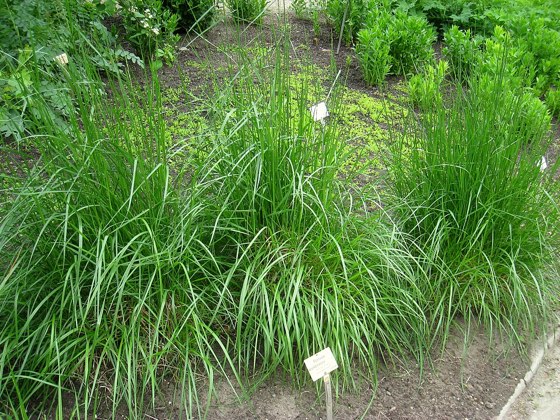
Medium to dark green with a fairly coarse, wide blade. It grows in bunches rather than creeping sideways, so a thin fescue lawn stays thin until you overseed it.
Looking after tall fescue
What this grass wants through the year.
- Mowing
- Keep it tall. Three to four inches is the sweet spot, and lean toward the high end in summer. Taller blades shade the soil, hold moisture, and crowd out crabgrass. Mowing it short in July is how a lot of fescue lawns die.
- Watering
- It wants about an inch a week, and it will need help from you in the heat of summer. Water deep and less often instead of a light sprinkle every day, so the roots chase the water down.
- Feeding
- Feed it in the fall, which is the opposite of what most folks assume. September and again in late fall does the heavy lifting, with a light touch in early spring if you want. Skip nitrogen in summer entirely, because feeding it in the heat just invites brown patch.
- Weeds & pests
- Crabgrass in summer and the usual broadleaf weeds in spring are the common battles. Brown patch is the disease to know, a warm humid summer fungus that leaves circular dead spots. Watering in the morning instead of the evening helps keep it in check.
- Planting & establishing
- Early fall is the time, roughly mid September through October. Seed then and it roots in before winter and takes off the following spring. Because it does not spread on its own, plan to overseed thin spots every fall to keep it thick.
Good for
Most Triangle and Piedmont yards, especially ones with a mix of sun and shade where a homeowner wants green grass more months than not.
Watch out for
Peak summer. Long stretches of heat and drought will thin it out, and without some irrigation you may be overseeding heavily every fall to recover.
Working on your lawn
Knowing the grass is half of it
You know what you have now. The calculators work out how much seed, feed or sod Tall Fescue takes, and the calendar says whether this is even the month to be buying it.
Common questions
- When should I overseed tall fescue in North Carolina?
- Early fall, usually mid September into October. The soil is still warm enough to germinate seed fast but the air is cooling off, which is exactly what fescue wants. Spring seeding is a distant second choice because the new grass barely establishes before summer hits it.
- Why does my fescue thin out every summer?
- Tall fescue is a cool-season grass, so our summer heat and humidity stress it, and brown patch disease can take out patches quickly. Mowing tall, watering deep in the morning, and holding off on summer fertilizer all help it ride out the heat.
Care guidance reflects general practice for the Carolinas. Your soil, sun, and site vary, so a soil test and your local extension office are the last word on your own lawn.