Warm-season grass
St. Augustine Grass
St. Augustine is the go-to warm-season lawn along the coast and in the southeastern part of the state. Its big selling point is shade tolerance, which is unusual for a warm-season grass, so it works under trees where bermuda would give up. It is coarse and lush, spreads by surface runners, and is not fond of cold, which is why you see far less of it once you head up into the Piedmont.
At a glance
- Season
- Warm season
- Also called
- St Augustinegrass
- Best window
- April 1 to July 31
- Soil temperature
- 70°F soil or warmer
- Seed per 1,000 sq ft
- about 1 lb of seed
How to spot it
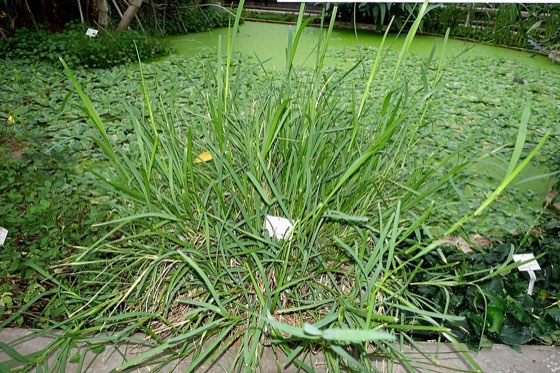
Coarse, broad blades and a rich green color, growing into a thick spongy turf. It spreads by thick above-ground runners that are easy to spot.
Looking after st. augustine grass
What this grass wants through the year.
- Mowing
- On the taller side for a warm-season grass, roughly two and a half to four inches. The extra height suits its coarse texture and helps it in shade.
- Watering
- Moderate water needs, a bit thirstier than bermuda or centipede. It shows drought stress fairly quickly.
- Feeding
- Moderate feeding in the growing season keeps it dense and green. It is a hungrier grass than centipede but not as heavy as bermuda.
- Weeds & pests
- Chinch bugs are the classic St. Augustine pest, and gray leaf spot is a disease to watch in hot humid stretches. A dense stand handles weeds reasonably well.
- Planting & establishing
- Late spring into summer, from sod or plugs. It is not typically started from seed.
Good for
Coastal and southeastern yards, especially shady ones where a homeowner still wants a lush warm-season lawn.
Watch out for
Cold winters. It is the least cold-hardy of the common lawn grasses, so a rough winter can damage or thin it, and it is a gamble up in the mountains.
Working on your lawn
Knowing the grass is half of it
You know what you have now. The calculators work out how much seed, feed or sod St. Augustine Grass takes, and the calendar says whether this is even the month to be buying it.
Common questions
- Will St. Augustine grass grow in the Piedmont or mountains?
- It can, but it is a risk. St. Augustine is the least cold-tolerant of our common lawn grasses and does best near the coast and in the southeast. The further inland and higher up you go, the more likely a hard winter is to damage it.
- What is the best warm-season grass for shade?
- St. Augustine, by a good margin. Most warm-season grasses need full sun, but St. Augustine holds its own under trees, which is a big part of why it is popular in coastal yards with a lot of canopy.
Care guidance reflects general practice for the Carolinas. Your soil, sun, and site vary, so a soil test and your local extension office are the last word on your own lawn.