Cool-season grass
Kentucky Bluegrass
Kentucky bluegrass is the classic picture-book lawn, and it does its best work in the cooler mountain counties. Unlike tall fescue, it spreads by underground stems, so it can knit back together and heal thin spots on its own. That is a real advantage. The reason it is not the default across the state is that it needs more water and care and does not take our Piedmont summer heat as gracefully as tall fescue.
At a glance
- Season
- Cool season
- Also called
- KBG
- Best window
- September 1 to September 15
- Soil temperature
- 60°F to 65°F soil
- Seed per 1,000 sq ft
- 1 lb bluegrass plus 5 lb tall fescue
How to spot it
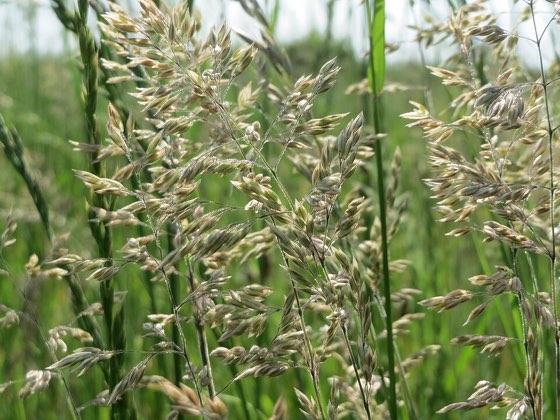
Fine textured with a rich, deep green color and the well-known boat-shaped blade tip. It forms a dense sod because it creeps by underground stems.
Looking after kentucky bluegrass
What this grass wants through the year.
- Mowing
- Two to three inches keeps it looking its best. It tolerates slightly shorter mowing than tall fescue.
- Watering
- Thirstier than tall fescue. It needs consistent water to look its best, especially through summer.
- Feeding
- Fall is still the main feeding window, like other cool-season grasses, with a moderate program to keep it dense.
- Weeds & pests
- Its self-repairing habit helps it stay thick and fend off weeds. Summer heat and drought stress are the bigger concerns here, along with the usual cool-season diseases in humid weather.
- Planting & establishing
- Fall, from seed, often blended with tall fescue in the Piedmont so you get the good looks plus fescue's heat tolerance.
Good for
Mountain lawns and cooler sites, and as a self-repairing partner blended into a tall fescue lawn.
Watch out for
Heat and upkeep. On its own in the hot Piedmont it struggles more than tall fescue and wants more water and attention to stay looking sharp.
Working on your lawn
Knowing the grass is half of it
You know what you have now. The calculators work out how much seed, feed or sod Kentucky Bluegrass takes, and the calendar says whether this is even the month to be buying it.
Common questions
- Can I grow Kentucky bluegrass in the Triangle?
- You can, but usually as part of a blend rather than on its own. Kentucky bluegrass does its best work in the cooler mountains, and in the hot Piedmont it needs more water and care than tall fescue. Mixing a little into a fescue lawn gives you its self-repairing habit without leaning on it to survive our summers alone.
Care guidance reflects general practice for the Carolinas. Your soil, sun, and site vary, so a soil test and your local extension office are the last word on your own lawn.