Cool-season grass
Fine Fescue
Fine fescue is the specialist you call in for shade and neglect. It has a thin, wispy blade, tolerates shade better than tall fescue, and gets by on little water and fertilizer. You rarely see it planted alone as a full lawn here. More often it rides along in a shade mix with tall fescue to shore up the spots under the trees.
At a glance
- Season
- Cool season
- Also called
- creeping red, chewings, and hard fescue
- Best window
- August 15 to September 15
- Soil temperature
- 55°F to 65°F soil
- Seed per 1,000 sq ft
- 1 lb bluegrass plus 5 lb tall fescue plus 1 lb fine fescue
How to spot it
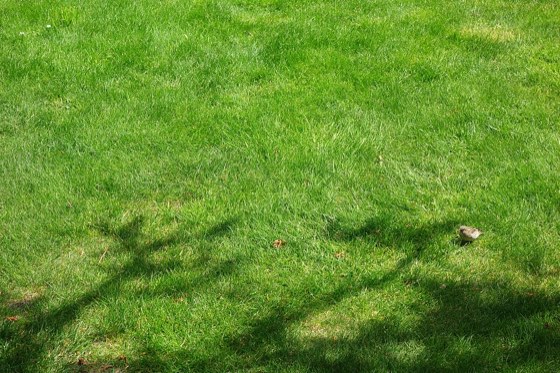
Very fine, needle-like blades, much thinner than tall fescue, often a slightly softer green. In a mix it fills the shady patches while the tall fescue carries the sun.
Looking after fine fescue
What this grass wants through the year.
- Mowing
- Happy on the taller side and fine with less frequent mowing, which suits its low-input personality.
- Watering
- Low water needs. It actually resents wet feet and heavy summer irrigation, preferring things on the drier side.
- Feeding
- Very light. It is one of the lowest-fertility cool-season grasses, and too much nitrogen works against it.
- Weeds & pests
- Its weakness is heat and humidity rather than pests. Our summers are hard on it, so it leans on shade and cooler ground to make it through.
- Planting & establishing
- Fall, right alongside tall fescue, most often as part of a shade seed mix rather than on its own.
Good for
Shady, low-traffic, low-input areas, and as the shade component in a tall fescue blend.
Watch out for
Sun, heat, and foot traffic. It thins out in full sun and hot humid summers and does not take wear, so it is a supporting player, not a whole-yard grass here.
Working on your lawn
Knowing the grass is half of it
You know what you have now. The calculators work out how much seed, feed or sod Fine Fescue takes, and the calendar says whether this is even the month to be buying it.
Common questions
- What grass grows in heavy shade in North Carolina?
- Fine fescue is the top cool-season choice for shade, usually mixed with tall fescue so the blend covers both sun and shade. Near the coast, St. Augustine handles shade among the warm-season grasses. Genuinely deep shade may not support any lawn, in which case mulch or a shade-loving groundcover is the honest answer.
Care guidance reflects general practice for the Carolinas. Your soil, sun, and site vary, so a soil test and your local extension office are the last word on your own lawn.