Warm-season grass
Centipede Grass
Centipede Grass earned its lazy man's lawn nickname honestly. It is a slow, low-growing, low-feeding grass that is happiest in the sandy, acidic soils of the sandhills and the coastal plain. If you want a decent lawn without a big to-do list, this is the one. The thing to understand is that its low-input nature is not optional. Treating it like bermuda and pouring on fertilizer is the fastest way to kill it.
At a glance
- Season
- Warm season
- Also called
- the lazy man's lawn
- Best window
- March 1 to July 31
- Soil temperature
- 70°F soil or warmer
- Seed per 1,000 sq ft
- 0.25 to 0.50 lb of seed
How to spot it
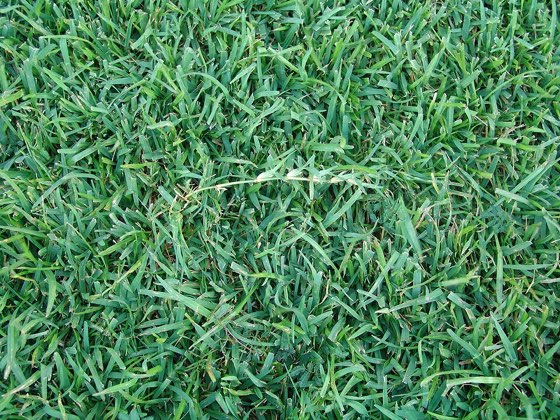
A light apple-green color that stands out next to darker grasses, with a coarse blade and a low, creeping growth habit. It spreads by surface runners, slowly.
Looking after centipede grass
What this grass wants through the year.
- Mowing
- Keep it low, around one to one and a half inches. It does not grow fast, so you will mow it less often than most lawns.
- Watering
- Give it water in a real drought, because its roots run shallow and it does not tough out dry spells the way bermuda does. Otherwise it is not thirsty.
- Feeding
- Go light, and mean it. Centipede needs very little nitrogen, and over-fertilizing brings on centipede decline, a slow die-off that folks cause every year with good intentions. If it looks a little pale, reach for iron to green it up rather than more nitrogen. It also likes acidic soil, so hold off on lime unless a soil test tells you otherwise.
- Weeds & pests
- Because it grows slowly, it does not out-compete weeds the way a dense grass does, so a pre-emergent earns its keep. Keep an eye out for that fertilizer-driven decline more than any bug.
- Planting & establishing
- Late spring once the soil warms. You can seed it, though seed is slow, or lay sod or sprigs for faster coverage.
Good for
Sandy, acidic soil in the sandhills and toward the coast, and anyone who wants a real lawn with the least possible fuss.
Watch out for
Cold, traffic, and kindness. It does not love hard winters up in the Piedmont and mountains, it wears poorly under heavy foot traffic, and it genuinely can be loved to death with too much fertilizer.
Working on your lawn
Knowing the grass is half of it
You know what you have now. The calculators work out how much seed, feed or sod Centipede Grass takes, and the calendar says whether this is even the month to be buying it.
Common questions
- Why is my centipede grass dying in patches?
- The usual culprit is centipede decline, and the usual cause is too much fertilizer or lime. Centipede Grass wants very little nitrogen and prefers acidic soil, so the fix is often to back off the feeding, use iron for color instead, and get a soil test before adding any lime.
- Is centipede grass really low maintenance?
- Yes, as long as you let it be low maintenance. It grows slowly, needs little feeding, and asks for less mowing than most. The mistake people make is treating it like a high-input lawn, which does more harm than doing nothing.
Care guidance reflects general practice for the Carolinas. Your soil, sun, and site vary, so a soil test and your local extension office are the last word on your own lawn.