Warm-season grass
Carpet Grass
Carpet grass is a problem-solver more than a showpiece. It tolerates wet, boggy, acidic, low-fertility soil that most lawn grasses hate, so it turns up in low spots and along ditches in the coastal plain. Nobody plants it for looks, but for a chronically damp corner where nothing else takes, it earns its place.
At a glance
- Season
- Warm season
- Also called
- carpetgrass
How to spot it
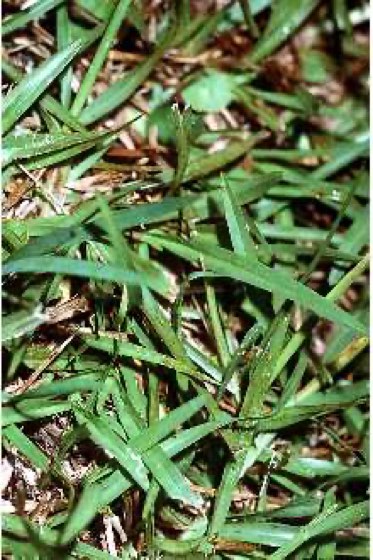
A light green, coarse grass that throws up tall seedheads quickly after mowing, which is its most annoying habit. It creeps slowly by surface runners.
Looking after carpet grass
What this grass wants through the year.
- Mowing
- You will chase the seedheads more than the grass. Mow often enough to keep those in check, low to medium height.
- Watering
- It likes it wet, which is the whole point, so drought is its weakness rather than moisture.
- Feeding
- Very little. It is built for poor soil and does not need much of anything.
- Weeds & pests
- Low upkeep on pests. Its main downside is quality, not disease, since it is coarse and seedy compared to a proper lawn grass.
- Planting & establishing
- Warm season planting from seed or sprigs, in the damp acidic spots where it belongs.
Good for
Wet, low-fertility, acidic ground in the coastal plain where drainage is poor and expectations are modest.
Watch out for
Everything about quality. It is coarse, seedy, and not drought tolerant, so it is a niche fix rather than a lawn you would choose for the whole yard.
Working on your lawn
Knowing the grass is half of it
You know what you have now. The calculators work out how much seed, feed or sod Carpet Grass takes, and the calendar says whether this is even the month to be buying it.
Common questions
- When would I actually want carpet grass?
- When you have a wet, acidic, low-fertility spot where nicer grasses keep failing. Carpet grass tolerates conditions that most lawn grasses cannot, so it is a practical answer for a boggy corner rather than a lawn you would plant on purpose across a whole yard.
Care guidance reflects general practice for the Carolinas. Your soil, sun, and site vary, so a soil test and your local extension office are the last word on your own lawn.